
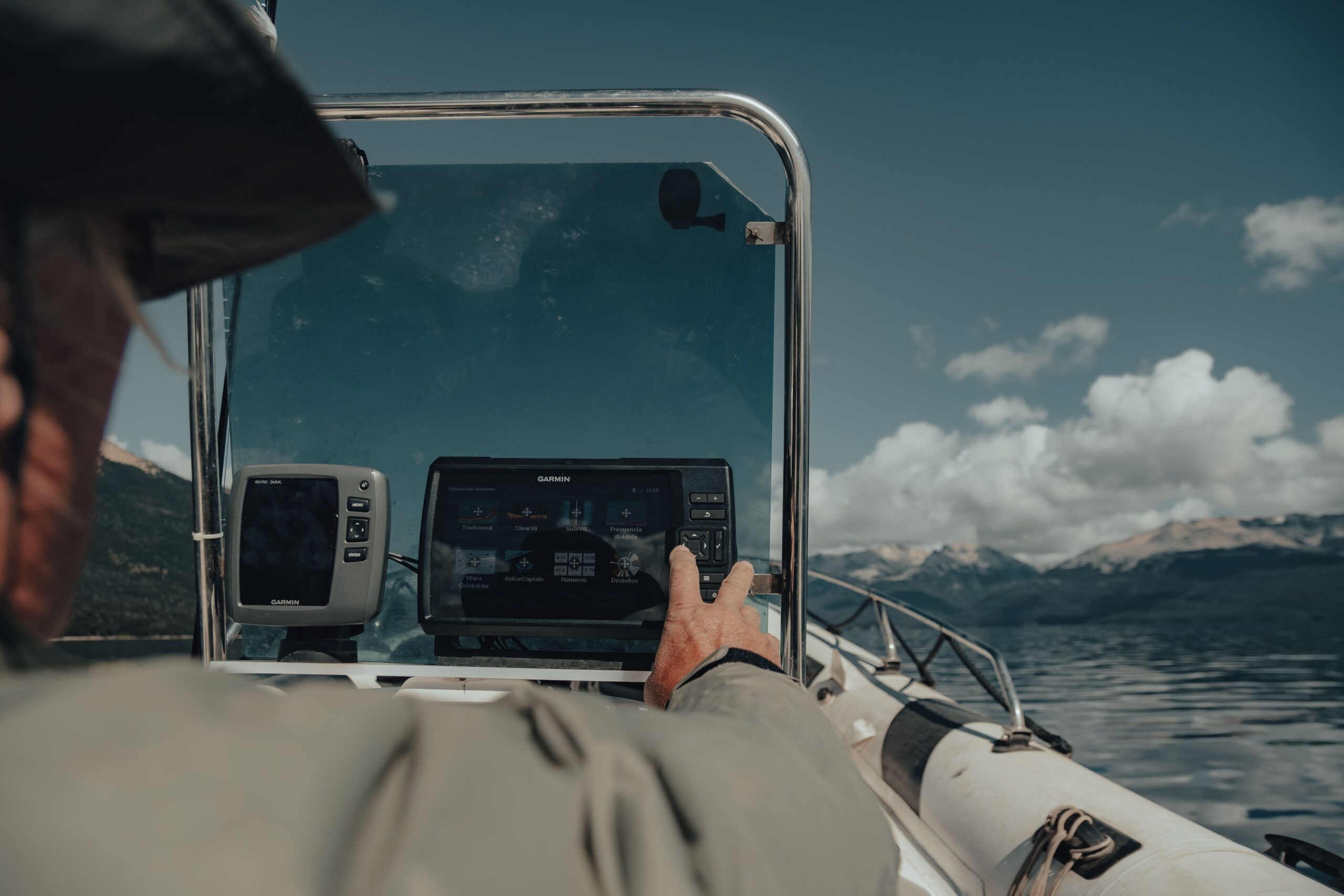
How to Choose the Right Marine Electronics for Your Boat

A practical buying guide for safer and better-connected boating
Marine electronics can make every trip safer, easier and more enjoyable—but only when the equipment matches the boat and the way it is used. A compact day boat, a fishing boat and a cruising yacht do not need the same electronics package. Before comparing screen sizes or features, start with your real needs: where you cruise, how far you travel, whether you fish, and which systems are already installed on board.
This guide explains the main equipment categories and the practical checks to make before buying.
Understanding Marine Electronics
1. Start with your boating profile
Ask four simple questions:
- Do you mainly cruise on inland waters, along the coast or offshore?
- Is the boat used for day trips, fishing, longer passages or a combination of these?
- What steering position, dashboard space and power supply are available?
- Do you want a standalone device or an integrated network that can grow later?
For occasional coastal trips, a clear GPS chartplotter and reliable VHF radio may cover the essentials. Anglers will usually place more emphasis on sonar performance and transducer selection. Longer-range cruising may justify AIS, radar, additional instruments and a networked multifunction display.
2. Chartplotter or multifunction display
A chartplotter shows your position on an electronic chart and helps you plan and follow a route. A multifunction display can also bring together sonar, radar, AIS, engine data and other onboard information.
When choosing one, consider:
- Screen size: The display must remain readable from the normal steering position without blocking visibility.
- Sunlight readability: Brightness and an anti-glare surface matter in an open cockpit.
- Chart coverage: Confirm that compatible charts are available for the waters where you cruise.
- Controls: Touchscreens are intuitive, while physical keys can be useful with wet hands or in rough conditions.
- Expansion: Check the available NMEA 2000, NMEA 0183, Ethernet, Wi-Fi and transducer connections.
Do not choose a display solely because it is the largest one that fits. Installation space, viewing distance, electrical consumption and compatibility with existing equipment are equally important.
3. Fishfinder and sonar selection
A fishfinder depends on both the display and the transducer. The transducer sends and receives sonar signals, so its type and installation have a major effect on performance.
Key considerations include:
- Fishing depth: Coastal shallows and deeper offshore water require different sonar capabilities.
- Frequency and beam: Higher frequencies generally provide more detail in shallower water; lower frequencies can reach greater depths.
- CHIRP support: CHIRP can improve target separation and bottom definition by transmitting across a range of frequencies.
- Transducer mounting: Transom-mount, through-hull and in-hull options have different installation requirements.
- Hull material: Fibreglass, aluminium, steel and cored hulls can affect the suitable mounting method.
Always confirm that the transducer is compatible with the chosen display. A well-matched mid-range system can perform better than an expensive display paired with the wrong transducer.
4. VHF radio and AIS
A marine VHF radio remains one of the most important communication and safety tools on board. For fixed installations, check whether the radio supports DSC and whether it can receive a valid GPS position from an internal receiver or the boat’s network.
AIS adds another layer of situational awareness by showing equipped vessels and transmitting or receiving information such as identity, position, course and speed.
- AIS receiver: Lets you see AIS-equipped vessels but does not transmit your position.
- AIS transceiver: Both receives and transmits AIS information.
- Antenna arrangement: VHF and AIS equipment require a suitable antenna installation; shared-antenna solutions must use compatible hardware.
Licensing, registration and operator requirements vary by country. Check the applicable national regulations before transmitting on VHF or AIS.
5. Radar: when is it worth considering?
Radar can help identify coastlines, vessels and weather returns when visibility is reduced. It is especially valuable for offshore cruising, night passages and areas with frequent fog or commercial traffic.
Before adding radar, confirm:
- compatibility with the selected multifunction display;
- mounting height and unobstructed coverage;
- cable routing and power requirements;
- safe separation from people and other antennas;
- whether professional installation is recommended.
Radar is a powerful aid, but it does not replace a proper lookout or safe navigation practices.
6. Build a compatible onboard network
Modern marine electronics work best as a system. NMEA 2000 is widely used to share data between compatible displays, sensors, instruments, AIS units and engines.
A basic NMEA 2000 network needs more than connectors between devices. It normally includes a correctly powered backbone, T-connectors, drop cables and termination at both ends. Mixing brands can work well when devices use supported standards, but proprietary features may still require equipment from the same ecosystem.
Before ordering, make a simple system map showing every device, connection and power feed. This prevents missing cables and reduces installation surprises.
7. Check power, protection and installation conditions
Marine electronics must be installed for the marine environment. Review:
- 12 V or 24 V compatibility;
- expected current draw and cable length;
- cable cross-section, fusing and circuit protection;
- waterproofing and the device’s IP rating;
- ventilation behind displays and radios;
- compass-safe distance and possible magnetic interference;
- connector access for future maintenance.
Follow the manufacturer’s installation instructions. Through-hull work, radar installations, complex network troubleshooting and changes to critical electrical circuits may be better handled by a qualified marine technician.
8. Plan for future upgrades
Even if you begin with one display, consider what you may add later: a second station, AIS, radar, engine data, additional sonar or onboard monitoring. Choosing a system with adequate ports and network support can avoid replacing the main display during the next upgrade.
It is also sensible to keep an inventory of model numbers, software versions, network connections and fuse locations. Back up waypoints and routes whenever the system supports it.
A practical buying checklist
Before placing an order, confirm:
- Boat type, length and normal operating area
- Main use: cruising, fishing or offshore passages
- Available dashboard and antenna space
- Supply voltage and electrical capacity
- Required chart region
- Transducer type and hull compatibility
- Existing NMEA 2000, NMEA 0183 or Ethernet connections
- VHF/AIS regulatory requirements
- Items included in the package versus accessories sold separately
- Whether installation should be completed by a marine professional
Explore marine electronics at Electroblau
Electroblau brings together marine-electronics products and accessories from established manufacturers, including navigation displays, fishfinders, antennas, transducers, VHF equipment and networking components. Browse the Marine Electronics catalogue or explore the wider Navigation Equipment range.
If you are uncertain about compatibility, contact Electroblau before ordering with your boat model, steering position, supply voltage and details of the equipment already installed.
When selecting marine electronics for your vessel, it is crucial to prioritize compatibility and functionality tailored to your specific boating needs. Ensure that you thoroughly research product specifications and consider factors such as ease of use, durability, and installation requirements. Additionally, evaluate the support and warranty options provided by manufacturers to safeguard your investment. By adhering to these guidelines, you will enhance your boating experience through informed decision-making.